
introduction:
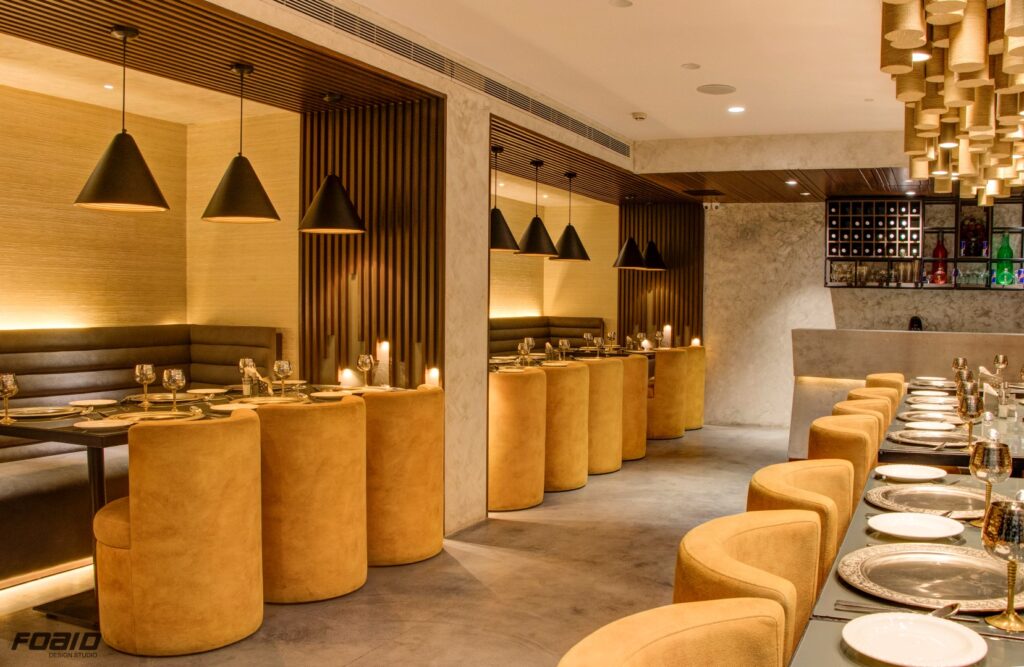
Restaurant interior design in Ap has evolved far beyond basic décor. Customers today are looking for more than just good food when they go to a restaurant; they want an overall experience as well. People expect a warm, well-designed, comfortable, and enjoyable space from the moment they enter. The mood at a restaurant can be instantly lifted by having a stylish interior, pleasant lighting, ideal seating, and a distinctive atmosphere. That’s why understanding popular restaurant interior design styles in India has become essential for business owners, designers, and even new restaurateurs.
Every restaurant carries its own personality, and the interior design should reflect that identity clearly. Wooden decor, warm lighting, and cultural patterns, for instance, give the impression of being more authentic in a traditional South Indian restaurant. On the other hand, pastel tones, sleek furniture, and minimal decor elements make a modern café look great. A dhaba with a Punjabi theme might use bright colors, metal accents, rustic textures, and lively wall art to match the bold flavor of the food. Each design style connects with customers in a different way, and choosing the right style can make your space instantly appealing.
People in India today are extremely conscious of aesthetics. Interiors have a significant impact on social media presence as well as customer comfort. Customers enjoy sharing their dining experiences online, making reels, and taking photos. This means interiors are no longer just a backdrop—they are a powerful tool for branding and customer engagement. Walk-ins, more frequent visits, and strong word-of-mouth can all result from a well-designed space. A well-designed restaurant strikes a balance between appearance and function. The seating should feel spacious even during rush hours. The lighting should enhance the food’s presentation as well as the overall mood. Walls, décor pieces, materials, and colours should reflect the restaurant’s theme and cuisine. When all these elements come together, the restaurant becomes more than a place to eat—it turns into an experience customers remember and want to return to.
By understanding the popular interior design styles trending across India, you can easily choose a concept that fits your cuisine, budget, and brand story. There are a variety of styles to choose from, ranging from those with a rustic and earthy feel to those with a premium and opulent feel. Each style has its own charm, and all of them aim for one core goal—creating a memorable dining environment.
Modern Restaurant Interior Design Styles:
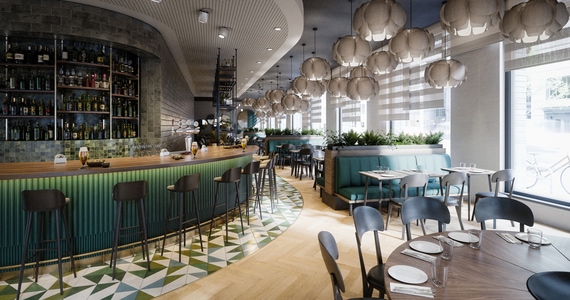
Modern restaurant interior design isn’t just about looking stylish—it’s about creating a space where people feel relaxed, engaged, and excited to dine. In today’s world, customers want an environment that feels fresh, clean, and thoughtfully designed. The modern style focuses on simplicity, smart use of space, and a balanced blend of comfort and aesthetics. When someone walks into a modern restaurant, they immediately notice the neat layout, soft lighting, clean lines, and a sense of openness that makes the whole space feel welcoming.
One of the biggest strengths of modern design is its flexibility. Whether it’s a small café, a premium fine-dining restaurant, or a casual family space, modern interiors can be adapted to match any concept. They look great with natural materials, simple furniture, neutral color schemes, and minimal decor. Instead of crowding the space with many elements, modern design highlights only what truly matters—good lighting, comfortable seating, a clear flow, and a calm overall vibe.
Today’s diners also appreciate spaces that feel uncluttered and visually soothing. Modern interiors focus on creating this kind of atmosphere using straight edges, smart storage, matte finishes, indoor plants, and warm lighting. From open kitchens to statement light fixtures and clear pathways, everything is designed to enhance both the dining experience and the overall feel of the space.
The design of a modern restaurant is also very practical. It supports easy movement for staff, helps maintain hygiene, and makes the restaurant look spacious even when the area is small. The combination of functionality and style is what makes the modern approach so popular across India right now. Whether you want your restaurant to look upscale or casual, minimal or expressive, modern design gives you the perfect foundation.
In a nutshell, the goal of modern restaurant interior design is to create an environment that is innovative, inviting, well-planned, and instantly recognizable to patrons. It’s a style that feels current, simple, inviting, and perfectly aligned with the expectations of today’s diners.
Traditional Indian Restaurant Interior designs:
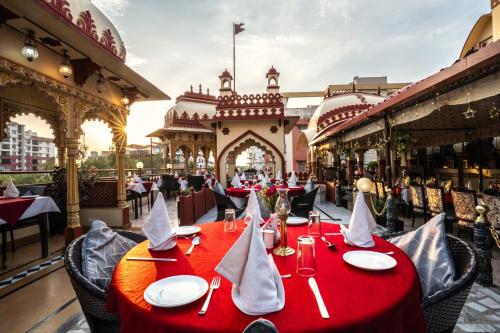
The goal of traditional Indian restaurant interior design styles is to create a cozy, homey, and nostalgic atmosphere that makes you feel like you’re back home. These interiors usually blend cultural elements, handcrafted décor, and earthy materials to build a space that instantly reminds visitors of India’s rich heritage. Traditional design has a unique charm that modern themes can never match, whether it is a premium dining space or a small family-owned restaurant. A traditional Indian restaurant style doesn’t depend on heavy decoration—it’s more about the cultural story it tells. Customers ought to feel the comfort of familiar textures, the richness of our art, and the warmth of Indian hospitality when they enter. The ambience as well as the food contribute to a memorable overall experience.
Important Features of the Interior of a Traditional Indian Restaurant :
1. Earthy Materials and Natural Finishes
Materials like brass, cane, bamboo, and stone are used in traditional designs. These natural elements bring an authentic texture and a grounded look to the dining space. Brass lamps, clay pots, wooden furniture, and rustic wall finishes instantly give the room a heritage feel.
2. Indian Handicrafts and Art
Indian art forms bring culture to life, from Tanjore paintings to Warli art to Madhubani patterns to Rajasthani mirror work. The interiors of many restaurants are given character by hand-painted walls, murals, patterns inspired by rangoli, or hanging objects.
3. Textiles and fabrics of ethnicity Handwoven fabrics like ikat, block-printed cotton, bandhani, and khadi make the space warm and colourful. Traditional-print cushion covers, table runners, curtains, and upholstery add a warm cultural touch.
4. A Warm Color Scheme Traditional Indian interiors often use rich and earthy shades—maroon, mustard, terracotta, deep green, royal blue, and gold accents. While maintaining a rooted, homey style, these colors add color.
5. Decor Using Brass, Copper, and Wood Brass lamps, copper water pots, clay jars, wooden carvings, diyas, and lanterns in the antique style help to create a royal and nostalgic atmosphere. These elements reflect India’s handcrafted heritage.
Popular Traditional Themes Used in Indian Restaurants:
- South Indian Chettinad interior design Styles
Rich wooden pillars, Athangudi tiles, carved furniture, brass lamps, and dark earthy tones create a grand yet homely feel. - Royal Rajasthani Theme Bright colours, mirror work, jharokhas, carved doors, and ethnic wall art bring the vibrant culture of Rajasthan into the dining space.
- Bengali Heritage Theme
Cane furniture, vintage décor, old photographs, terracotta items, and subtle colours inspired by Calcutta’s old charm. - Interiors with a village theme Mud walls, charpai seating, clay pots, bamboo roofs, hand-painted motifs, and thatched lamps recreate the rustic beauty of Indian villages.
- Kerala Traditional interior design Styles
The warm lighting, boat-shaped decorations, Chundan vallam art, Kathakali masks, and wooden ceilings create a tranquil cultural experience. Why Restaurant Interiors Look So Good in Traditional Style Traditional design creates an emotional connection with customers. The cozy atmosphere, nostalgic elements, and sense of authenticity are well-liked by customers. In addition to the food, it gives diners the impression that they are experiencing authentic Indian culture. Repeat customers and a strong brand identity are frequently the results of this ease and familiarity. Last Thoughts The interior of a traditional Indian restaurant is more than just decoration; it tells a story about our heritage, memories, and culture. It transforms a straightforward dining area into an immersive experience that exudes warmth, character, and authenticity when executed correctly. .
Conclusion:
Choosing the right restaurant interior design styles is all about creating the atmosphere your customers will love. Whether you prefer a modern, minimal look or a warm, traditional Indian vibe, the design should reflect your brand and enhance the dining experience. With thoughtful planning, smart lighting, and the right materials, any restaurant can feel inviting, stylish, and memorable. Ultimately, a well-designed space not only looks good but also helps attract customers and keep them coming back.