
Introduction:
It’s not enough to just buy expensive furniture or copy a trend you see online to create a warm, stylish, and comfortable home. Good interior design starts with understanding a few basic concepts that make any space—small or large—look balanced and thoughtfully put together. The way you design your home should support your daily routine, reflect your taste, and make you feel at ease from the moment you walk in. Every home has its own personality. Most people focus only on colours or furniture, but a well-designed home goes much deeper. It’s about how light moves through the room, how easily you can walk around without bumping into things, how textures make the space feel cozy, and how the right focal point brings the entire room together. Even a plain house can look elegant and useful when these essentials are combined. These core interior design concepts act like a foundation. They assist you in selecting the appropriate layout, judicious color mixing, meaningful decor, and visual harmony. Whether you prefer a modern look, a traditional Indian style, or a minimal approach, these principles help you design a space that not only looks beautiful in photos but also works perfectly in everyday life.
A home designed with these concepts becomes more than just a place to live—it becomes a space that supports your lifestyle, lifts your mood, and makes everyday moments feel special.
Easy Interior Design Concepts to Improve Your Space:
Improving the look and feel of your home doesn’t always require a complete renovation or a huge budget. Your space can be made to feel more organized, stylish, and comfortable with simple interior design concepts ideas. These straightforward suggestions can instantly elevate your interiors, regardless of whether you reside in a spacious home or a compact apartment.
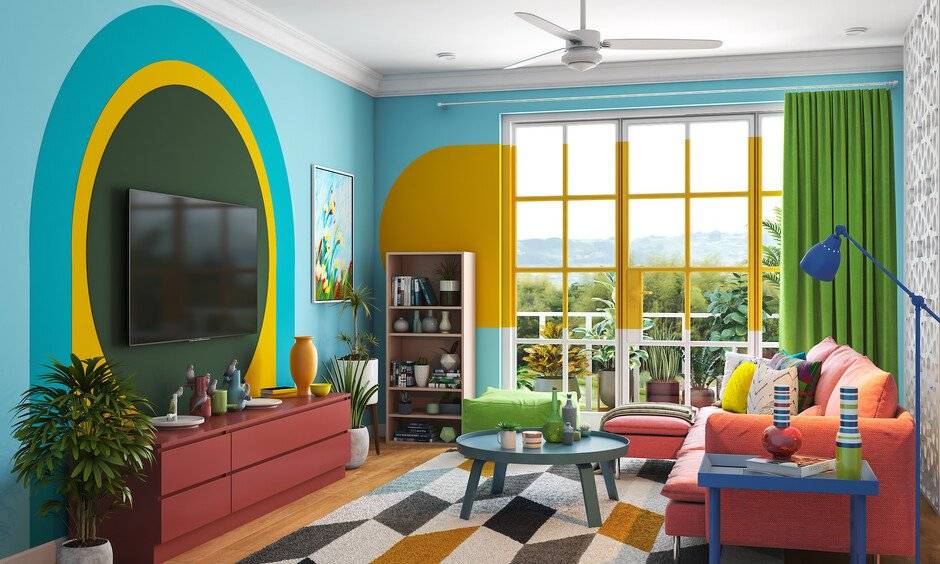
1. Concentrate on Color Harmony Any room’s mood can be changed by using colors. Start with a base color for walls and furniture, and complement it with 2–3 accent colors through cushions, rugs, or wall art. For instance, soft neutrals like beige or grey create a calming effect, while pops of bright colors like mustard, teal, or coral can add energy to your space. Remember, consistency in color palette gives your home a cohesive and polished look.
- Enhance Lighting Lighting is a simple yet impactful design element. Use a mix of ambient, task, and accent lighting to create depth and warmth. Natural light should be maximized wherever possible—sheer curtains or blinds allow sunlight to fill the room while maintaining privacy. For highlighting particular areas or pieces of decor, think about using floor lamps, pendant lights, or wall sconces. A well-lit space not only looks spacious but also more inviting.
- Organize and declutter Clutter-free spaces instantly feel more comfortable and stylish. Invest in smart storage solutions like modular shelves, hidden cabinets, or multifunctional furniture. Keep only essential items visible and store away things that are rarely used. A clean, organized space improves functionality and creates a calm atmosphere in your home.
- Include Statement Items A few carefully chosen statement pieces can elevate your interiors without overwhelming the space. This could be an elegant sofa, a designer lamp, a large mirror, or a unique piece of wall art. Statement pieces give your space a focal point while also drawing attention to yourself and expressing your personality.
- Mix Textures and Materials
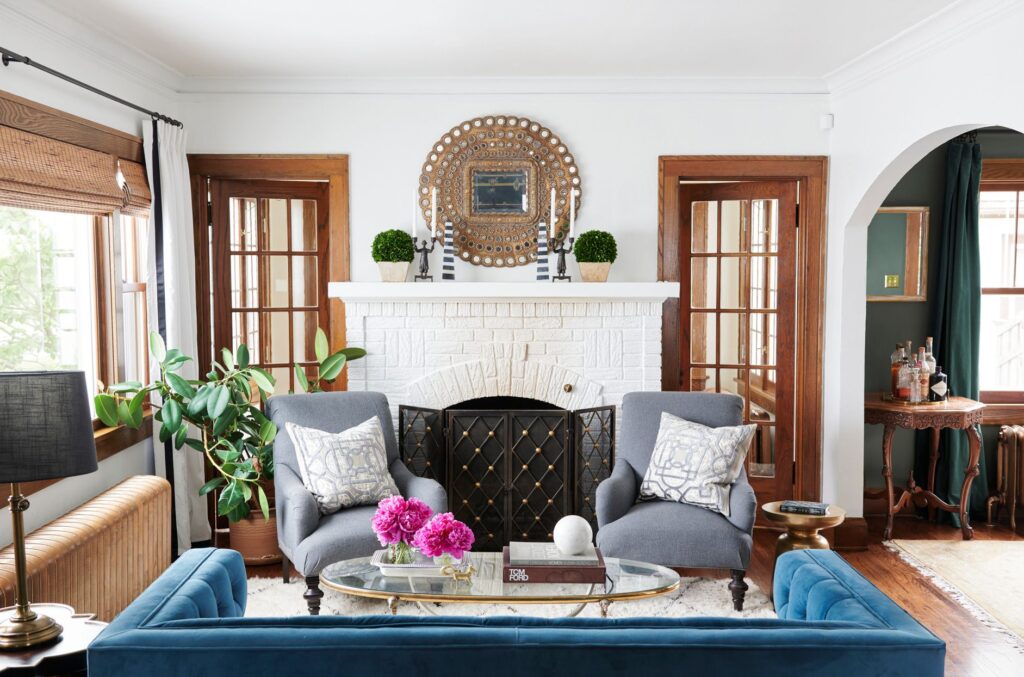
Your interiors will have more depth and interest if you combine various textures and materials. For example, pairing a velvet sofa with a wooden coffee table or a cotton rug with metallic accents can create a rich, layered look. Without requiring a major overhaul, textures engage the senses and make a space feel inviting and dynamic. - Incorporate nature. Indoor plants are an easy and cost-effective way to breathe life into your home. Greenery adds freshness, improves air quality, and enhances the overall aesthetics—from tiny succulents to larger leafy plants. To soften sharp lines and create a natural atmosphere, place them near windows, on shelves, or in corners.
- Personalize with Art and Accessories
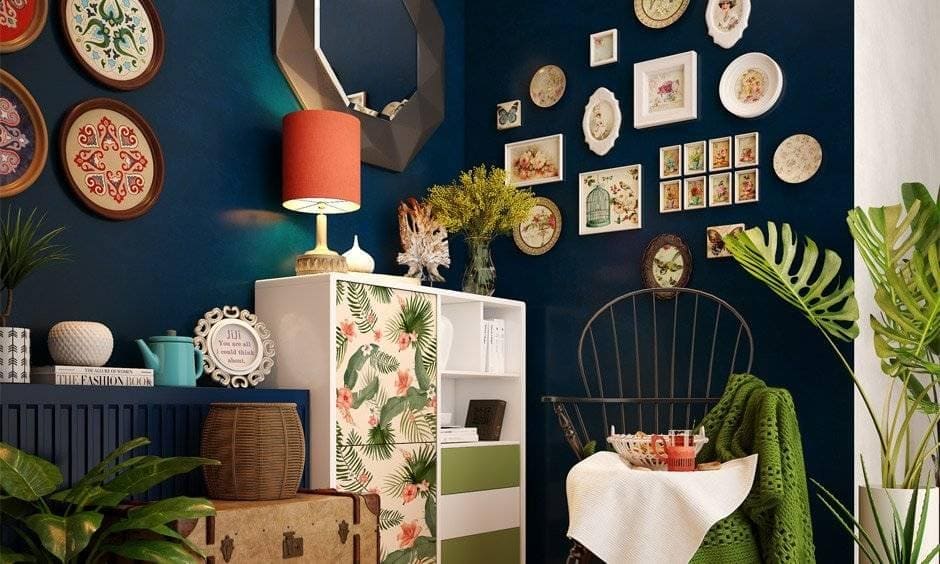
Personal touches make your space truly yours. Display family photos, souvenirs, or handmade crafts to add warmth and character. Cushions, rugs, and vases are examples of small decor items that can reflect your style and bring the room together. Remember, personalization makes interiors feel lived-in and welcoming.
Must-Know Interior Design Concept for Every Home:
Every home has the potential to be a reflection of the people who live in it, and understanding basic interior design concepts is the first step toward creating a space that is both functional and visually appealing. The goal of interior design is to create harmony, balance, and a sense of comfort throughout your home. Interior design is more than just choosing pretty furniture or trendy colors. You can make ordinary rooms feel inviting, stylish, and practical by carefully putting these ideas into practice. One of the most important interior design concepts is balance. Balance ensures that no part of a room overpowers another. This can be achieved in multiple ways, such as arranging furniture evenly across the space, distributing colors and textures in a harmonious way, or creating symmetry with decorative elements. A living room’s visual stability can be achieved by balancing a large sofa on one side with chairs, a coffee table, or wall art on the opposite side. Another key concept is functionality. If it doesn’t help the people who live in it, even the most beautiful house has no value. There should be a purpose for every piece of furniture, lighting, or decorative item. A well-organized storage system, for instance, not only keeps your house tidy but also makes it easier to get things done in everyday life. Similarly, multipurpose furniture, like a sofa bed or an extendable dining table, combines style with practical utility, making your home more adaptable to changing needs.
Another important aspect of interior design is lighting. Proper lighting can completely change the feel of a room. Natural light is ideal for making spaces appear larger, brighter, and more welcoming. A room can be instantly lifted by maximizing natural sunlight through large windows or light-colored curtains. In contrast, artificial lighting, such as ceiling lights, accent lights, or lamps, can highlight important areas, set the mood, and make rooms cozy at night. Layering different types of lighting is a smart way to enhance both function and aesthetics.
Color is a powerful tool in interior design concepts. The choice of colors in your home affects the mood, energy, and perception of space. Warm tones like mustard, terracotta, and light colors can make a room appear larger and more open, while light colors can also make a room feel more comfortable and intimate. Using contrasting or complementary colors thoughtfully can create interest and draw attention to certain areas, while sticking to a cohesive color palette throughout the home ensures a harmonious look.
Texture and materials also play a significant role. Any space gains character and depth by incorporating a variety of textures, such as soft fabrics, polished metals, rough stone, and natural wood. Textures give rooms a lived-in, inviting feel by making them feel more dynamic and tactile. For example, a plush rug on a hardwood floor, paired with metallic décor and cotton cushions, creates a balanced and layered look that feels warm and stylish.
Last but not least, personalization is an essential idea in interior design. Your home should tell your story. Your space becomes distinctive and meaningful when you add personal touches like family photos, souvenirs, artwork, or handmade crafts. A home that reflects who you are not only makes you feel more at home, but it also makes a lasting impression on visitors. In a nutshell, these principles of interior design—balance, functionality, lighting, color, texture, and personalization—provide the foundation for designing homes that are inviting, functional, and beautiful. By keeping these ideas in mind, anyone can transform their living space into a haven that is stylish, organized, and truly reflects their taste and lifestyle. Keep in mind that good design doesn’t mean blindly following trends; rather, it’s about creating environments that feel right for you and the people who live there.
Conclusion:
In conclusion, understanding and applying the right interior design concepts can completely transform your home. From creating functional layouts to choosing the perfect colors and décor, these interior design concepts help make your living spaces more comfortable, stylish, and reflective of your personality. By focusing on practical and creative design ideas, every home can achieve a balanced, inviting, and beautiful environment that truly feels like your own.