
introduction:
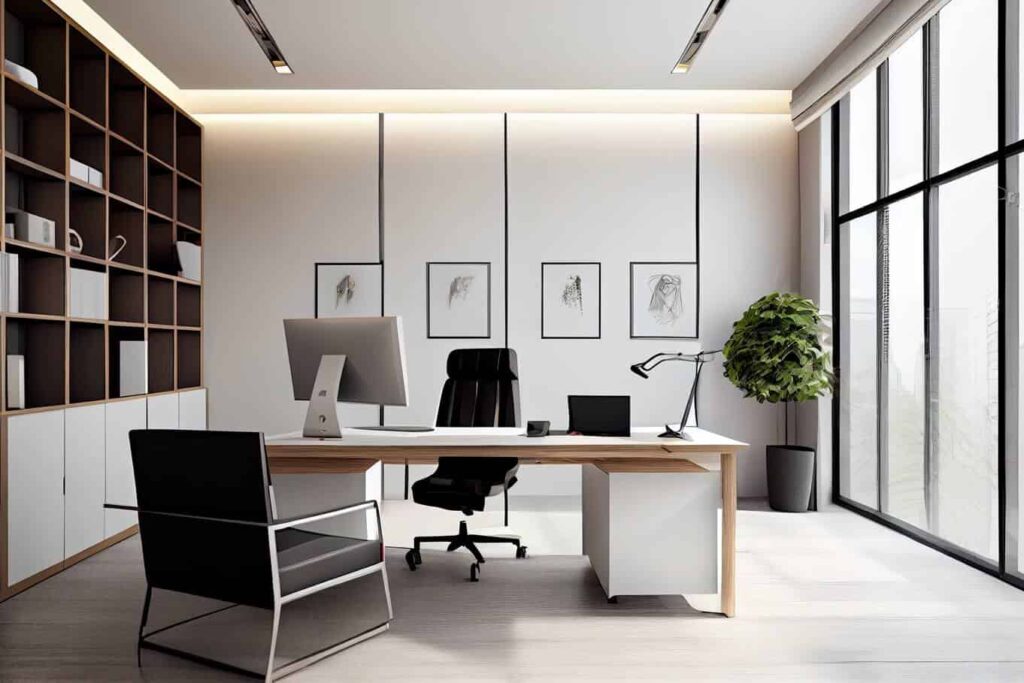
In today’s competitive business world, the design and layout of your office can make a huge difference in productivity, employee satisfaction, and overall work efficiency. The problem is even worse for small offices because the limited space can easily feel crowded, chaotic, or uninspiring. However, compromise does not have to mean a small office interior design. Even the smallest workspace can become a place that inspires, energizes, and supports everyone working there with careful planning, thoughtful organization, and creative design choices. The way a small office is arranged affects more than just aesthetics—it influences how people work, interact, and focus. Choosing the right furniture, arranging it efficiently, selecting colors that create a positive mood, and ensuring proper lighting can transform a tight space into a productive and inviting environment. Cluttered desks, poor lighting, or awkward layouts can lead to frustration, distractions, and decreased efficiency. On the other hand, a well-designed office encourages smooth workflow, promotes creativity, and helps employees feel comfortable and valued.
Small office design also involves creating a welcoming atmosphere that inspires employees, in addition to practical considerations like storage solutions and ergonomic furniture. The atmosphere of a room can be significantly influenced by even the smallest of details, such as the arrangement of plants, wall art, or office furniture. The objective is to strike a balance between aesthetics and functionality so that each area of the workplace serves a purpose and contributes to a sense of harmony and positivity. This article is intended to provide you with practical advice on interior design ideas for small offices that go beyond aesthetics. The suggestions presented here will assist you in making the most of the space that you have available, whether you are starting a new office, reorganizing an existing space, or simply looking for methods to increase productivity and employee satisfaction. You can transform a small office into a productive, motivating, and inviting setting where everyone can thrive by focusing on both design and functionality.:
Smart Layouts for Small Office Interiors:
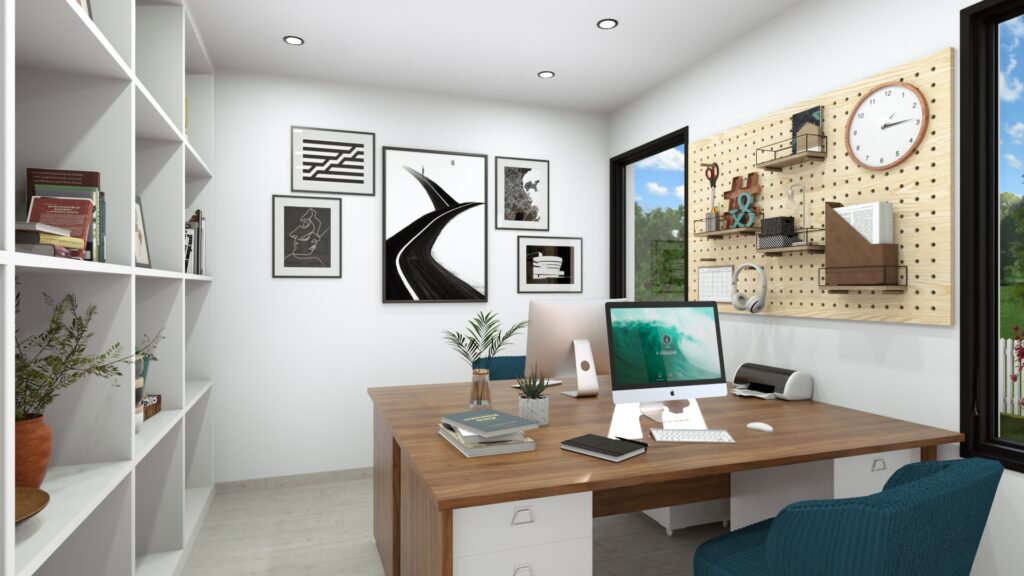
Designing a small office interior design comes with its unique set of challenges. Limited space often makes it difficult to create a functional, comfortable, and visually appealing work environment. However, even a small office can be made to feel spacious, well-organized, and motivating for employees with clever layouts and thoughtful planning. A well-thought-out small office interior design not only maximizes the available space but also boosts productivity, encourages collaboration, and enhances overall employee satisfaction.
A successful layout for a small office must prioritize functionality without sacrificing aesthetics. This requires thoughtful storage solutions, strategic workstation placement, and careful furniture selection. Open layouts, furniture that serves multiple purposes, and ergonomic arrangements can make an office appear larger than it actually is while also increasing productivity. A welcoming environment that encourages creativity and alleviates stress also relies heavily on lighting, color schemes, and decorative elements. Whether you are planning a start-up office, a home-based workspace, or a small branch of a larger company, investing time in a smart layout ensures every inch of space serves a purpose. In this guide, we will explore practical tips and creative ideas to help you design a small office that is not just functional but also visually appealing and employee-friendly.
Office Interior Design Ideas to Enhance Productivity:
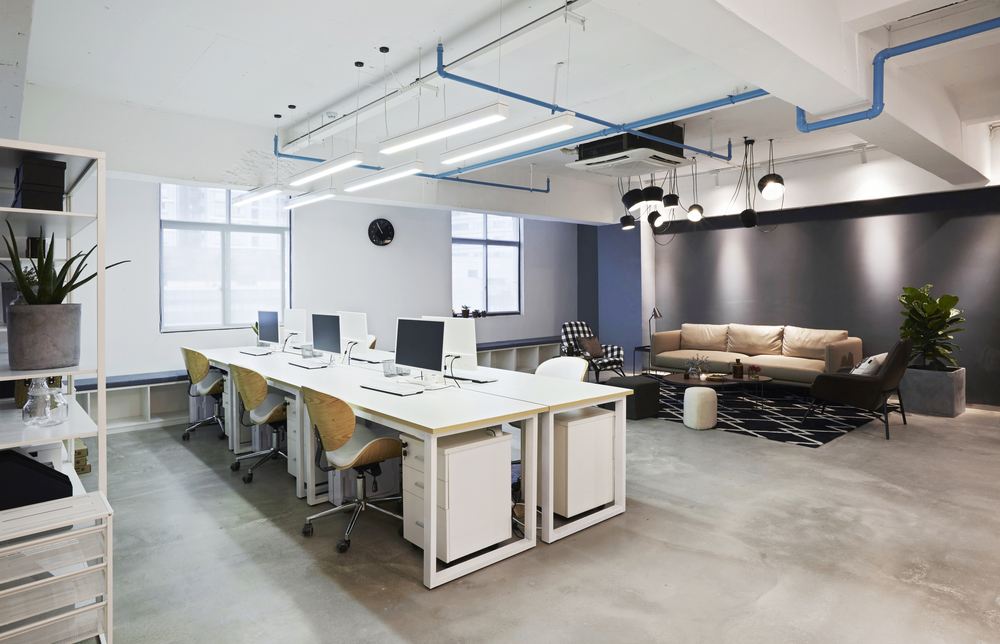
A well-designed workplace has a direct impact on employee productivity, creativity, and overall well-being in addition to aesthetics. An office’s layout, colors, lighting, and even the furniture you choose all have a big impact on how well a team works together. Below are some practical and inspiring office interior design ideas to enhance productivity.
- Make the most of sunlight. One of the most important aspects of an office environment is natural light. Exposure to sunlight not only boosts mood but also increases focus and reduces fatigue. Workstations and desks should be placed close to windows, and glare should be controlled with sheer curtains or blinds. Avoid blocking windows with large furniture, and consider using glass partitions instead of opaque walls to allow light to flow through the office.
- Select the Best Colors Colors have a subtle but powerful effect on productivity. Colors like calm blues and greens can help you concentrate better, while bright colors like orange and yellow can make you more creative and energetic. Colors that are too dark can make the room feel cramped and gloomy. You can also add color and vibrancy without making the room feel crowded by using accent walls.
- Create Functional Work Zones
The open space of a productive office is complemented by task-based organization. Divide the workplace into functional areas like: Quiet zones: For focused work and deep concentration.
Zones for collaboration: for team discussions and brainstorming. Relaxation zones: Comfortable areas for short breaks to refresh the mind.
Employees can select the environment that is most conducive to their work, which boosts productivity and creativity. - Comfortable Furniture Furniture that is supportive and comfortable is essential. Proper monitor placement, ergonomic chairs, and adjustable desks reduce physical strain and fatigue, allowing employees to work longer without discomfort. A healthier workplace is also made possible by little touches like standing desk options, wrist supports, and footrests.
- Incorporate Greenery
Not only do indoor plants improve air quality and reduce stress, but they also add visual interest. Low-maintenance plants like snake plants, peace lilies, and succulents are ideal for offices. It has been demonstrated that vegetation boosts creativity and productivity. - Keep the Space Organized
Cluttered spaces lead to cluttered minds. To keep everything tidy, make use of storage options like organizers, cabinets, and shelves. Encourage employees to maintain clean desks, and office interior design in a way that storage is accessible but doesn’t dominate the workspace. Focus and productivity are aided by an organized and clean environment. - Innovative Lighting Options Artificial lighting is equally important, especially in areas far from natural light. To prevent eye strain, use warm, bright lighting for workstations and dim lighting for relaxation areas. Adjustable lighting options allow employees to control brightness according to their comfort, helping maintain energy levels throughout the day.
- Personalization and Comfort
Allow employees to personalize their workspace with photos, small décor items, or personal colors. Engagement and motivation naturally rise when people are at ease in their surroundings. A personal mug, a favorite desk plant, or even the smallest of touches can make a big difference. - Effective Management Noise can significantly reduce focus. To manage noise levels, think about soundproofing options like carpets, partitions, or acoustic panels. For open offices, provide quiet rooms or areas where employees can work without distractions. Background music at a low volume can also boost productivity for some teams.
- Encourage Activity A sedentary lifestyle can sap creativity and energy. Design the office to encourage movement—place printers or common areas a little farther away, provide standing desk options, or include walking paths. Small movements throughout the day keep employees alert and productive.
conclusion:
Designing a small office interior design for maximum productivity doesn’t mean cramming in as much furniture as possible. It’s about smart planning, efficient use of space, and creating an environment that supports focus, collaboration, and employee well-being. By incorporating natural light, ergonomic furniture, functional work zones, and thoughtful décor, even a compact office can feel spacious, organized, and motivating. Small changes like adding greenery, proper storage, and personalized touches can make a big difference in boosting productivity. Ultimately, a well-designed small office not only enhances performance but also fosters a positive and inspiring work atmosphere for everyone.