
introduction:
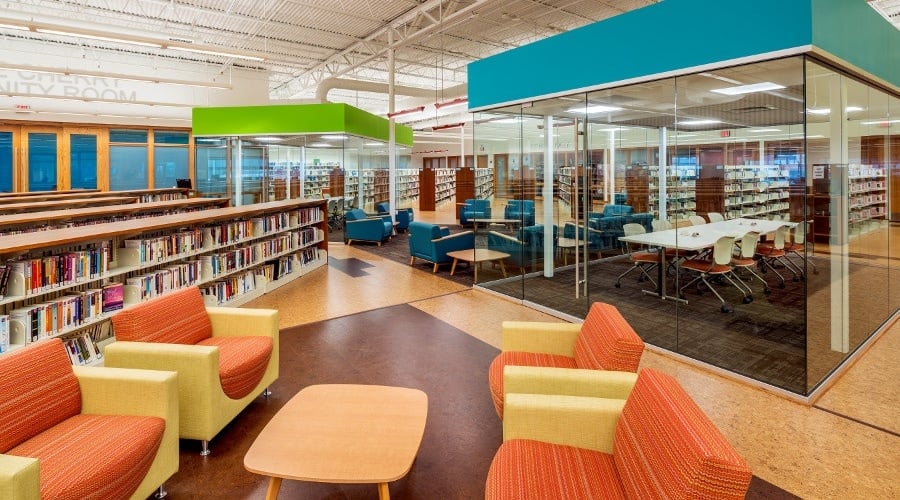
People have always come to special places like public libraries to read, learn, think, and feel connected to their community. The function of libraries has significantly evolved over time. The once-quiet room with wooden shelves and basic seating has evolved into a multifunctional setting that accommodates contemporary lifestyles. People today expect libraries to be comfortable, well-lit, and stocked with cutting-edge technology. Library Interior designs is now more important than ever because of this shift. Modern public library interior designs focuses on creating experiences. It is no longer about neatly stacking books; rather, designing spaces that encourage visitors to stay for longer is the goal. There are now cozy reading nooks, open study areas, interactive areas for kids, and collaborative areas where groups can work together in the interior. Libraries are becoming brighter, more flexible, and more welcoming, thanks to thoughtful design elements like natural lighting, smart furniture, vibrant colors, and quiet zones that encourage focus.
Another major change is how libraries are embracing community culture. Designers are adding art walls, local craft displays, and comfy seating that lets people unwind or have small conversations. Technology has also become central—charging stations, digital catalogs, audio-visual rooms, and smart kiosks are becoming standard features.
To put it simply, public libraries are transitioning from being merely places to store books into dynamic centers for the community. They are becoming inspiring interiors that blend functionality with creativity. In this blog, we will discuss the most recent interior design trends that are influencing public libraries today and the ways in which these cutting-edge concepts are making libraries more inviting and meaningful for everyone.
Modern Library Interior Designs Ideas for Better User Experience:
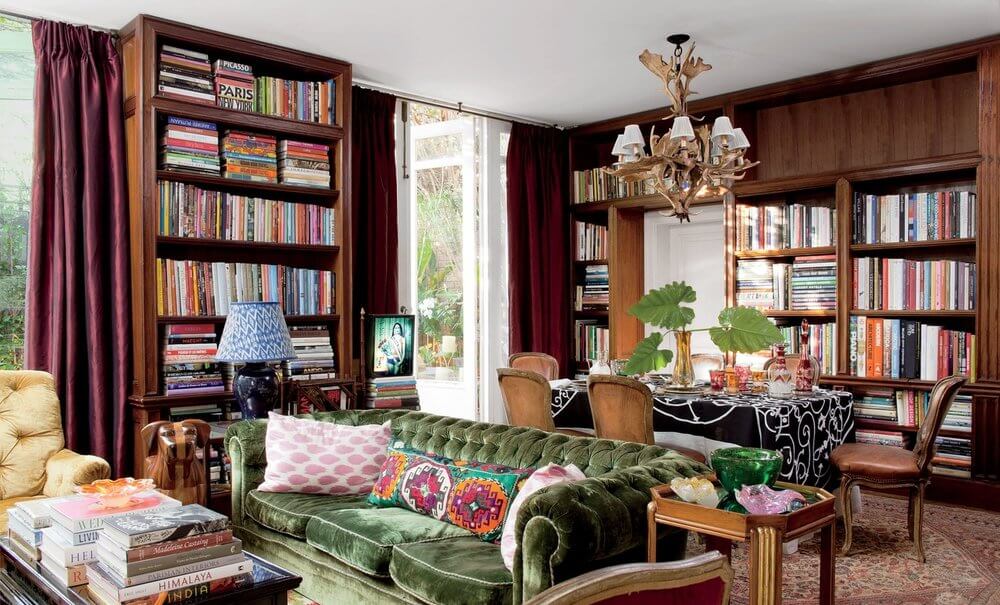
A modern library interior designs is no longer just a place to store books — it has become a welcoming space where people read, learn, collaborate, and feel inspired. Today, designing a library requires considering comfort, creativity, and user requirements. Visitors naturally spend more time in the space and have a smoother experience when the interiors are thoughtfully planned. The following are some modern and practical interior design concepts that can be used to create a library that people will truly adore.
1. Flexible and open layout When the space feels open and easy to move around, modern libraries work best. Users feel more at ease when wider pathways and flexible seating zones are created rather than tightly packed shelves. Movable shelves, modular furniture, and open reading corners help libraries adapt to events, workshops, or group study sessions without hassle.
- Zones for Relaxed Reading Readers enjoy a library when they find a space that feels cozy. The environment is inviting thanks to the padded nooks, lounge chairs, reading benches by the windows, and soft chairs. A big part of making these areas feel warm and cozy is good lighting, especially natural light.
- Areas Suitable for Technology Wi-Fi, charging stations, and furniture that is compatible with devices are essential for modern users. Students and researchers are able to work more effectively when dedicated technology hubs, interactive screens, tablet stands, and computer workstations are added. Small details like cable management and power sockets near every seat make a big difference.
- Spaces for quiet study and collaboration Libraries today attract both solo learners and group study teams. Both types of users benefit from the creation of sound-controlled separate rooms. Private cubicles, glass-enclosed group rooms, and noise-managed discussion areas give everyone a comfortable environment without disturbing others.
- Design for a Modern Bookshelf Sleek metal shelves, wooden bookcases with warm finishes, and floating display racks help the space look modern and organized. The arrangement ought to make it simple to locate books. On display stands, highlighting bestsellers or new releases provides readers with an engaging touch.
- Calming Aesthetics and Natural Elements The library interior designs feels peaceful due to the presence of plants, earthy hues, soft textures, and a lot of natural light. The tranquility provided by these natural elements encourages concentrated study and prolonged reading sessions.
- Simple Navigation and Smart Signage Users are guided effortlessly through the library by category markers, directional signs, and clear labels. Visitors spend more time exploring the shelves and less time searching when the navigation is simple.
- Interactive Corners & Activity Zones
Modern libraries include areas for storytelling, workshops, exhibitions, or small presentations. These zones encourage community engagement and make the space lively while still maintaining order. - User-Friendly and Accessible Design Ramps, wide aisles, comfortable seating heights, and thoughtful spacing ensure everyone — including elderly users and people with disabilities — can use the library with ease.
Key Library Interior design Elements That Support Learning Spaces:
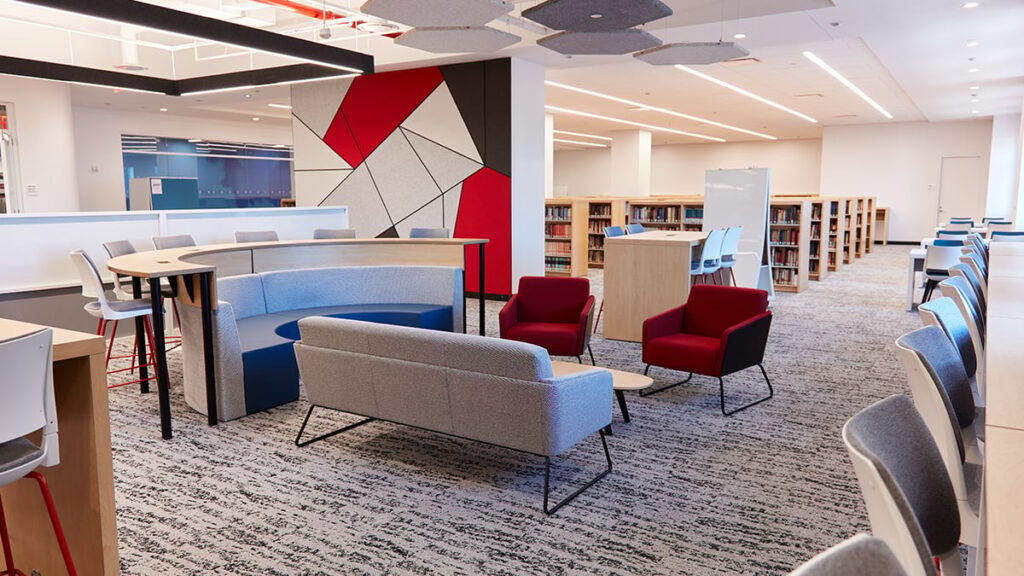
Beyond the addition of tables and bookshelves, creating a library that truly supports learning requires more than that. So that students, readers, and researchers can concentrate without being distracted, a well-designed library interior designs should feel calm, welcoming, and thoughtfully structured. The most important aspects of library interior designs that make a big difference in creating effective learning environments are as follows:
1. Flexible Layouts That Adapt to Different Learning Styles
Nowadays, libraries are more than just places to read quietly. People come to read, discuss, collaborate, and even work on creative projects. That’s why a flexible layout is essential.
Movable furniture allows the space to shift between group discussions, presentations, or quiet study time.
Open spaces with modular seating help students feel comfortable and relaxed.
By zoning different areas, people who prefer silence are never bothered by noisy areas. A flexible layout welcomes everyone and supports every type of learner, from solo readers to team project groups.
- Comfortable, Ergonomic Seating for Longer Focused Hours
Good seating directly influences concentration. People quickly lose focus when they are uncomfortable in their chairs or at tables. Near reading areas, soft lounge chairs work well. For prolonged study sessions, adjustable desks and ergonomic chairs are ideal. A mix of high stools, floor seating, and regular chairs creates a versatile learning environment.
Comfort encourages visitors to stay longer and engage deeply with their work. - Natural Light and Warm Lighting for a Calm Atmosphere
One of the most important aspects of library design is lighting. Big windows that bring in natural sunlight reduce stress and eye strain.
Soft, warm lights make the space feel peaceful and inviting.
Task lighting on study tables helps maintain focus.
A well-lit library feels open, inspiring, and conducive to learning. - Acoustics That Balance Silence and Collaboration
Although sound must be controlled, a good library should not be completely silent. Acoustic wall panels and soft furnishings absorb unwanted noise.
Quiet zones help readers enjoy distraction-free learning.
Designated group-study zones allow conversation without disturbing others.
Balanced acoustics maintain a perfect mix of calmness and activity. - Thoughtfully Designed Bookshelves and Storage
Shelving isn’t just for storing books — it shapes the entire character of a library.
Low-height shelves create open visibility and better navigation.
The space feels more inviting when the shelves are curved or creatively arranged. Users can quickly locate what they need thanks to sections that are clearly labeled. Good storage design keeps the library neat, organized, and user-friendly. - Technology-Friendly Spaces for Modern Learners
Students of today heavily rely on digital tools and devices. A supportive library design must include:
Easy access to charging points
Dedicated computer zones
Smart screens or projectors for presentations
Strong Wi-Fi in every corner
Integrating technology ensures that libraries support both traditional reading and modern digital learning. - Calm Color Palettes That Boost Focus
Colors influence mood.
Soft greens, blues, and earthy tones help maintain a peaceful mindset.
Avoiding bright, distracting shades ensures the space feels balanced.
Accent colors can bring attention to important parts of a room without overpowering it. A good color palette enhances focus and reduces mental fatigue. - Inspiring Decor That Encourages Creativity
A touch of thoughtful decor can make a library feel more alive.
Personality is enhanced by educational murals, wall art, and motivational quotes. Plants in the house improve the quality of the air and create a peaceful atmosphere. The space is interactive thanks to display corners for new arrivals or projects by students. Curiousness and learning are sparked by a beautifully decorated library.
Conclusion:
Public libraries today are transforming into dynamic learning and community spaces. Modern library interior designs trends focus on flexibility, comfort, and technology so that visitors of all ages feel welcome and inspired. From eco-friendly materials and natural lighting to multi-purpose zones and digital work areas, every design choice aims to create a more engaging experience. These new trends highlight one clear idea — libraries are no longer just book storage spaces, but vibrant environments that support collaboration, creativity, and lifelong learning. With thoughtful library interior design, public libraries can continue to evolve and remain meaningful in people’s everyday lives.